Why Coaches Need Branding Photos, Not Just Headshots
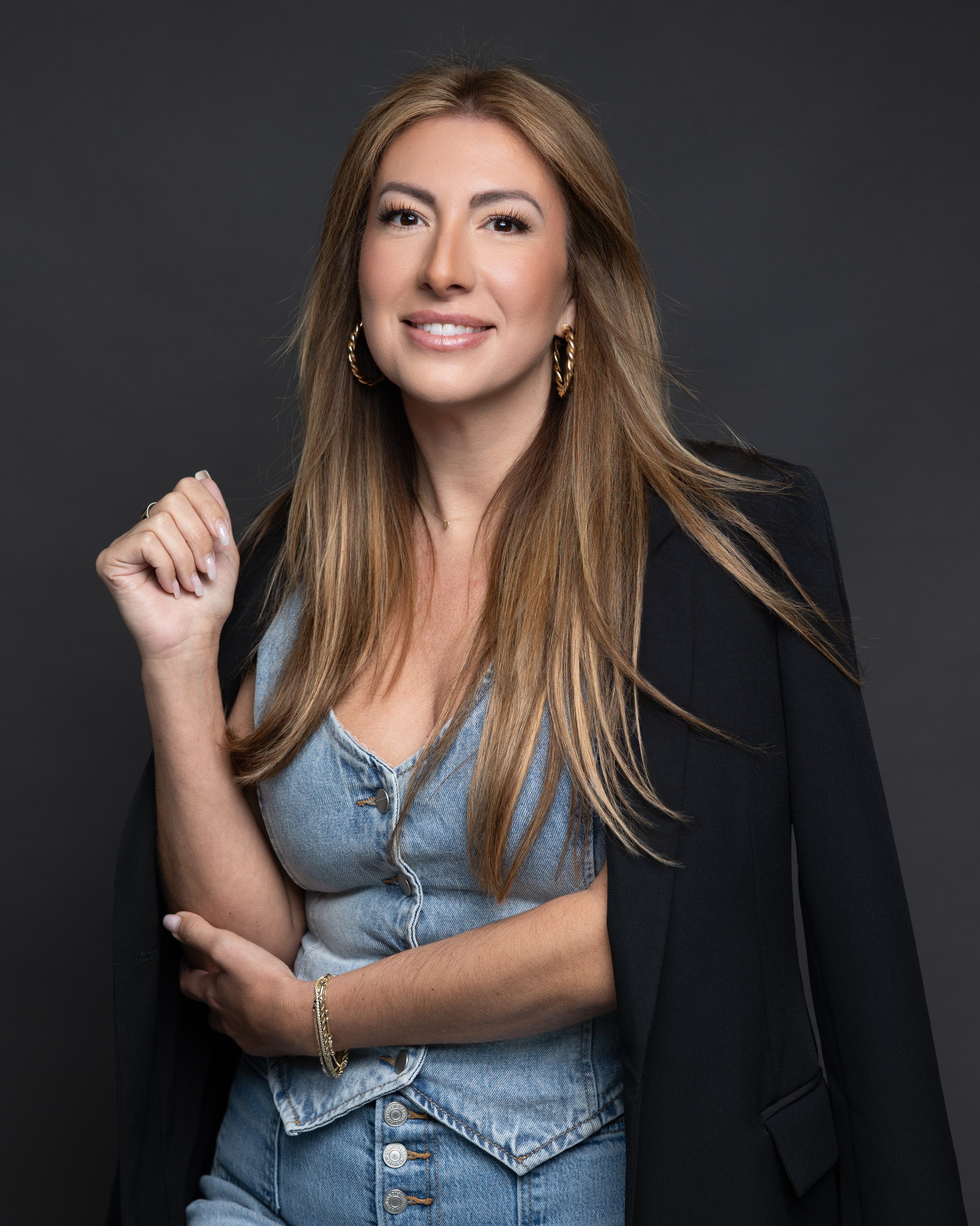


Your Coaching Brand Lives or Dies on One Thing: Do People Trust Your Face?
Coaching is a business built entirely on trust before contact. A potential client isn't walking into a storefront or touring a listing — they're deciding, based almost entirely on what they see online, whether to hand you their money, their time, and often something deeply personal like their health, career, or relationships.
That decision happens fast, and it happens visually. Long before someone reads your bio or books a discovery call, they're looking at your photo and asking, without even realizing it: Does this person seem like they have their life together? Do I trust them to guide me?
If your current headshot is a cropped vacation photo or a blurry screenshot from a Zoom call, it's answering that question the wrong way.
Why Coaches Need Branding Photos, Not Just Headshots
Most professionals can get away with one solid headshot. Coaches usually need more, because your brand is you — your energy, your approach, your personality — in a way that a single stiff portrait rarely captures.
A strong coaching brand typically needs:
A primary headshot that's warm, confident, and approachable — the image that anchors your website, LinkedIn, and Google Business Profile.
In-action or lifestyle images that show you actually coaching, speaking, working one-on-one, or in your element — whether that's a studio setting, an office, or an on-location shoot around Mendham or greater Morris County.
Variety in tone. Some platforms call for polished and professional (LinkedIn, a speaker one-sheet); others call for something more relaxed and personal (Instagram, email newsletters). Having both from the same session keeps your brand consistent while giving you flexibility.
Without this variety, coaches often end up recycling the same one or two images everywhere, which can start to feel stale — or worse, outdated — especially if your brand or niche has evolved.
The Trust Problem Is Bigger Than You Think
Coaching is a crowded field, and most niches are saturated with people making big promises. What separates a client who books a discovery call from one who scrolls past is often not your credentials or your offer — it's whether your online presence feels credible and current.
An outdated or amateur photo raises quiet, subconscious doubts: Is this person actively working? Are they successful enough to invest in their own brand? If they can't be bothered to present themselves professionally, can I trust them to help me professionally?
A high-quality, genuine headshot flips all of that. It signals that you're established, active, and serious about your work — which matters enormously in a field where so much of the buying decision is about "do I trust this person," not just "do I like this offer."
Local SEO and AI Search Are Paying Attention Too
If you're a coach based in or around Morris County, NJ — whether you work with local clients in person or serve people virtually — your online presence still benefits enormously from strong local SEO signals. Search terms like "life coach near me," "career coach Morris County NJ," or "business coach Mendham NJ" are increasingly being interpreted not just by traditional Google search, but by AI-powered search tools that pull together a fuller picture: your website, your Google Business Profile, your reviews, and the images associated with your name.
A polished, consistent, professional photo across every one of those touchpoints reinforces that you're a real, active, local business — not just a profile that hasn't been updated in years. It's a small detail with an outsized impact on how both people and search algorithms perceive your credibility.
What a Coaching Branding Session Should Include
A well-planned branding shoot for a coach typically covers:
A true headshot: clean, confident, and usable across every platform
A handful of "in your element" shots — speaking, working with a client, at your desk, wherever your actual work happens
Multiple outfit options to reflect the different sides of your brand (polished expert vs. approachable guide)
Both studio and on-location options if your work happens in more than one setting
Images sized and cropped with your actual platforms in mind — website banners, LinkedIn, social carousels, email headers
The goal isn't just "get some nice photos." It's building a visual library that can carry your brand for the next year or two without you having to scramble for a usable image every time you launch something new.
Your Photos Should Match Where You're Headed, Not Where You've Been
One of the most common reasons coaches update their branding photos isn't that the old ones were bad — it's that the coach has grown. A niche has sharpened, a price point has increased, a new offer has launched. Your visual brand needs to keep pace with that growth, because a client discovering you today is meeting the coach you are now, not the one you were three years ago.
Frequently Asked Questions
How many photos does a coach actually need from a branding session? Most coaches benefit from a core set of 10–20 versatile images: a primary headshot, a few lifestyle or in-action shots, and some variety in outfits and settings to cover website, social, and print needs.
Should coaching photos be shot in a studio or on location? It depends on your brand. Studio shots feel polished and timeless; on-location shots (your office, a speaking venue, outdoors) can feel more personal and show your work in context. Many coaches benefit from a mix of both.
How often should a coach update their branding photos? Every 1–2 years, or whenever your niche, offer, or personal brand shifts significantly enough that your current photos no longer feel like "you."
Stephanie Blum Photography offers personal branding and headshot sessions for coaches and consultants throughout Mendham, Morris County, and the surrounding NJ area. Contact me to build a visual brand that matches where your business is headed.